Skip to content

AryamaanRoy Choudhury

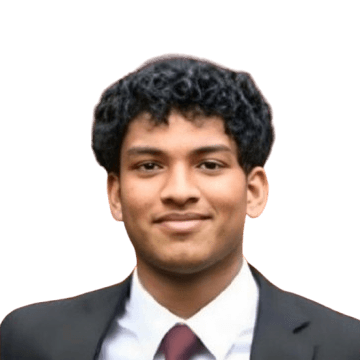
Portrait of Aryamaan Roy Choudhury

I study Computer Engineering and Computer Science at Northeastern. Most of what I build has to do with sports and data. The newest is Matchup DNA, which forecasts pro tennis matches and tests the forecasts against the betting market. Before that I built Hoops Stock Market, a site where NBA players trade like stocks.

I’m looking for a Spring 2027 co-op or a Summer 2027 internship.

School
Northeastern University
Degree
B.S. Computer Engineering and Computer Science, May 2028
GPA
3.81 / 4.00
Honors
Dean’s List, Eta Kappa Nu
Works in
Python, SQL, C++
Based in
Boston, MA

Projects

Each one has a case study if you want more detail on how it works.

Machine learning · Quantitative research · Oct 2026 – Present

Matchup DNA

Tennis win probabilities, locked in before the first serve.

A Python research system that rates every ATP and WTA player from their full match history and gives each upcoming match a win probability. Every forecast is stored before the match starts, and a Next.js site shows the forecasts, what drove them, and how they scored.

pro matches in the history
361k+
matches tested against the market
13,846
winners picked, 31,791 matches
65.9%
  • Built calibrated ATP and WTA prediction models from Elo, surface Elo, logistic regression, and opponent-adjusted serve and return features, each tested on later years than it was trained on.
  • Back-tested the models against betting-market prices on 13,846 matches, measuring calibration, whether the model adds anything to the price, and simulated returns.
  • Picked the winner in 65.9% of 31,791 matches from 2021 to October 2026, 1.7 percentage points more than always picking the higher-ranked player.
  • Python
  • scikit-learn
  • LightGBM
  • SQLite
  • Next.js

Sports analytics · Full-stack · Sep 2024 – Present

Hoops Stock Market

An NBA player market where prices move with real games.

Every NBA player has a stock price. A Python pipeline turns game data into player values, and a Next.js site lets you browse the market, see why a price moved, and paper-trade with simulated money.

NBA games processed
91k+
players priced
500+
repricing cycle
~30 min
  • The data pipeline has processed more than 91,000 NBA games into player prices.
  • Each player has two prices. Fair Value moves slowly with on-court performance, and Market Price adds projection, demand, sentiment, and team context on top of it.
  • Users get $100k in simulated money to trade 500+ players, with their own login and portfolio.
  • Python
  • Next.js
  • TypeScript
  • Supabase
  • PostgreSQL

Full-stack · Team project · Jun 2025 – Sep 2025

Supplement Recommender

Personalized supplement plans from a user’s profile and goals.

  • Worked on a React, Node.js, and MongoDB app that creates personalized supplement plans.
  • Connected the recommendation logic to the OpenRouter API so suggestions are based on each user’s profile.
  • Built frontend components and pages with React and Tailwind CSS.
  • React
  • Node.js
  • Express
  • MongoDB
  • OpenRouter API

Experience

  1. Feb 2026 – Oct 2026

    Maharashtra, India · Remote

    Software Engineering Intern · AdaptSkillAI

    An early-stage startup developing an adaptive learning platform. Contributed to learner-facing interfaces, assessment workflows, and company registration functionality.

    • Built a learner dashboard using Next.js and React, integrating training scenarios, category filters, module listings, and progress indicators.
    • Developed adaptive assessment logic in TypeScript, implementing performance-based progression, targeted micro-learning, and remediation workflows.
    • Built company registration forms using TypeScript and Zod, implementing input validation, API payload transformation, and backend registration integration.

    Additional implementation details are confidential while the product remains in development.

    • TypeScript
    • React
    • Next.js
    • Zod
    • REST APIs
  2. Jan 2026 – Aug 2026

    Port Louis, Mauritius · Remote

    Web Development Intern · StratEdge Africa

    I was the only developer on the company’s website.

    • Designed and built the company’s live website by myself, based on what the business needed.
    • Made it a responsive multi-page Next.js site with Services, Insights, About, and Contact pages.
    • Set up reusable components and content models so the team can add services and insights without rewriting code.
    • Deployed it on Vercel and maintained it, including performance fixes and making updates easier.
    • Next.js
    • React
    • TypeScript
    • Tailwind CSS
    • Vercel
    Visit live site
  3. Jan 2022 – Feb 2022

    Boston, MA · Remote

    Investment Analyst Intern · Weiss Asset Management

    Equity research and portfolio building in a selective investment program.

    • Did equity research and portfolio analysis as part of the program.
    • Built and presented a simulated $1M stock portfolio in Excel, including the allocation strategy and risk modeling.
    • The portfolio returned 2–3% above its benchmark. I used Monte Carlo simulations and scenario analysis to test it.
    • Excel
    • Monte Carlo simulation
    • Scenario analysis

Research & Technical Communication

An independent working paper built on Matchup DNA, and coursework from ENGW3302 Advanced Writing in the Technical Professions · Northeastern University that adapts research on wearable sports technology for athletes and coaches.

From the paper · Figure 3

Big-match records vary about as much as chance

ATP WTA
Spread of players’ results against a calibrated Elo forecast, divided by the spread chance alone would produce, 2000 – May 2026; players with at least 10 matches of each kind. 1.00 is pure chance. The only clear excess, in regular WTA matches, points to form that Elo is slow to track, not to pressure.

Independent research · Matchup DNA

Do Players Choke in Big Matches?

Evidence from 26 years of professional tennis

My research question
Does a player’s record in big matches tell a forecast anything their Elo rating misses?

Using 130,460 ATP and WTA matches from 2000 to May 2026, I compared every big-match result (semi-finals, finals, and late Grand Slam rounds) with a calibrated Elo forecast. I tested whether players differ by more than chance, simulated how large a trait the tests could miss, and checked whether past big-match records would have improved forecasts of later ones.

What my research found: Big-match records vary about as much as chance predicts, and adding a player’s past big-match or clutch record did not improve out-of-sample forecasts. A modest trait can’t be ruled out. The one pattern that held up is tour-wide: Elo is more overconfident in WTA big matches than in regular ones.

matches analysed, 2000–2026
130,460
big matches forecast out of sample
7,476
trait tests significant after correction
0 of 18
  • Statistical Inference
  • Simulation & Power Analysis
  • Out-of-Sample Evaluation
  • Python
  • Technical Writing

Independent working paper

Do Players Choke in Big Matches? Evidence from 26 Years of Professional Tennis

Written by Aryamaan Roy Choudhury · Working paper v4.0 · Not peer reviewed · 19 pages

Read Research Paper
Built on the Matchup DNA forecasting model
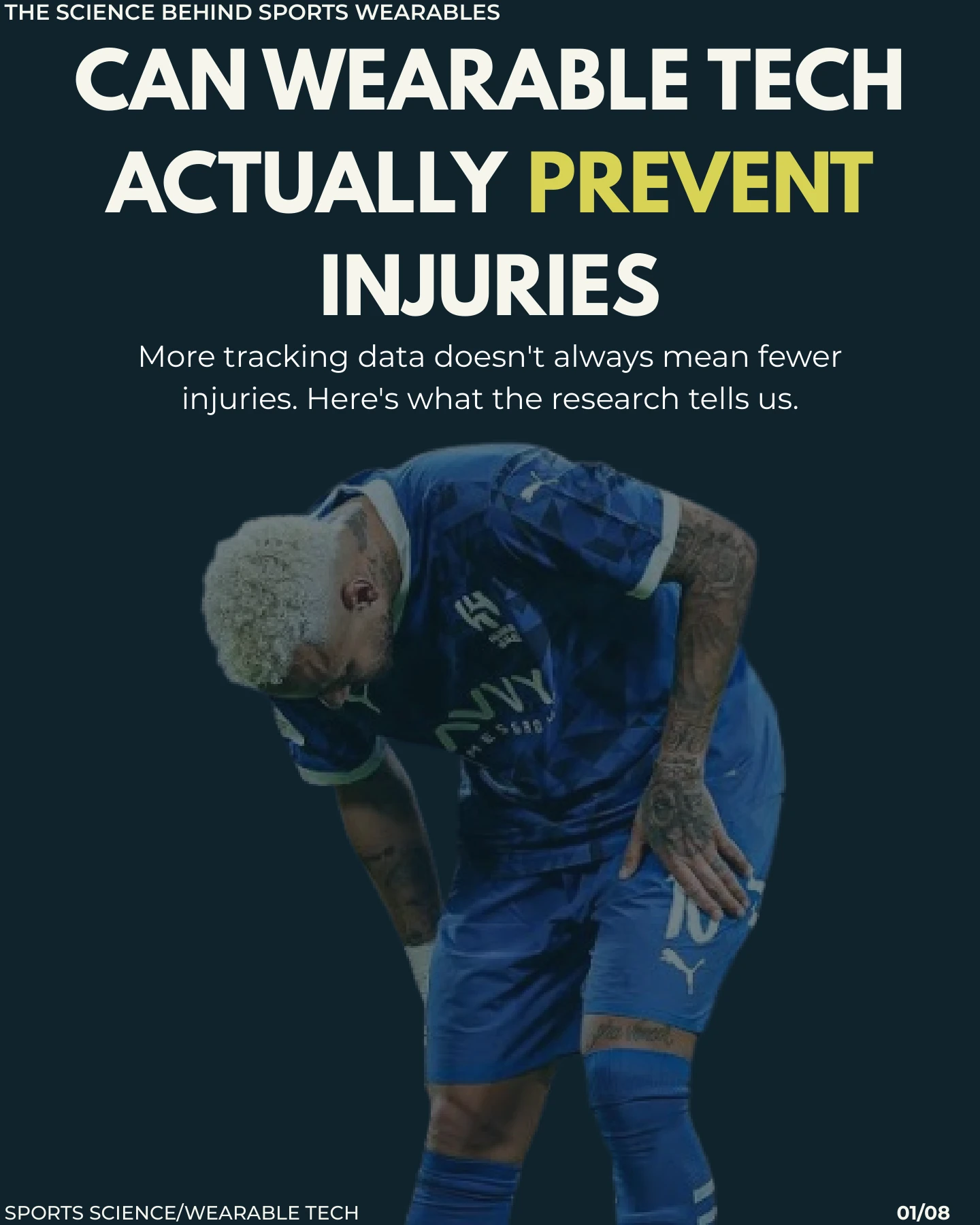
Title slide: “Can wearable tech actually prevent injuries?” over a photo of a footballer in a blue kit bent over, holding his leg. Subtitle: “More tracking data doesn’t always mean fewer injuries. Here’s what the research tells us.”

Slide 1 of 8

Multimodal Technical Communication · Data Visualization · ENGW3302 Advanced Writing in the Technical Professions

Can Wearable Technology Actually Prevent Injuries?

My research question
Are wearable sensor measurements reliable enough to support injury-prevention decisions?

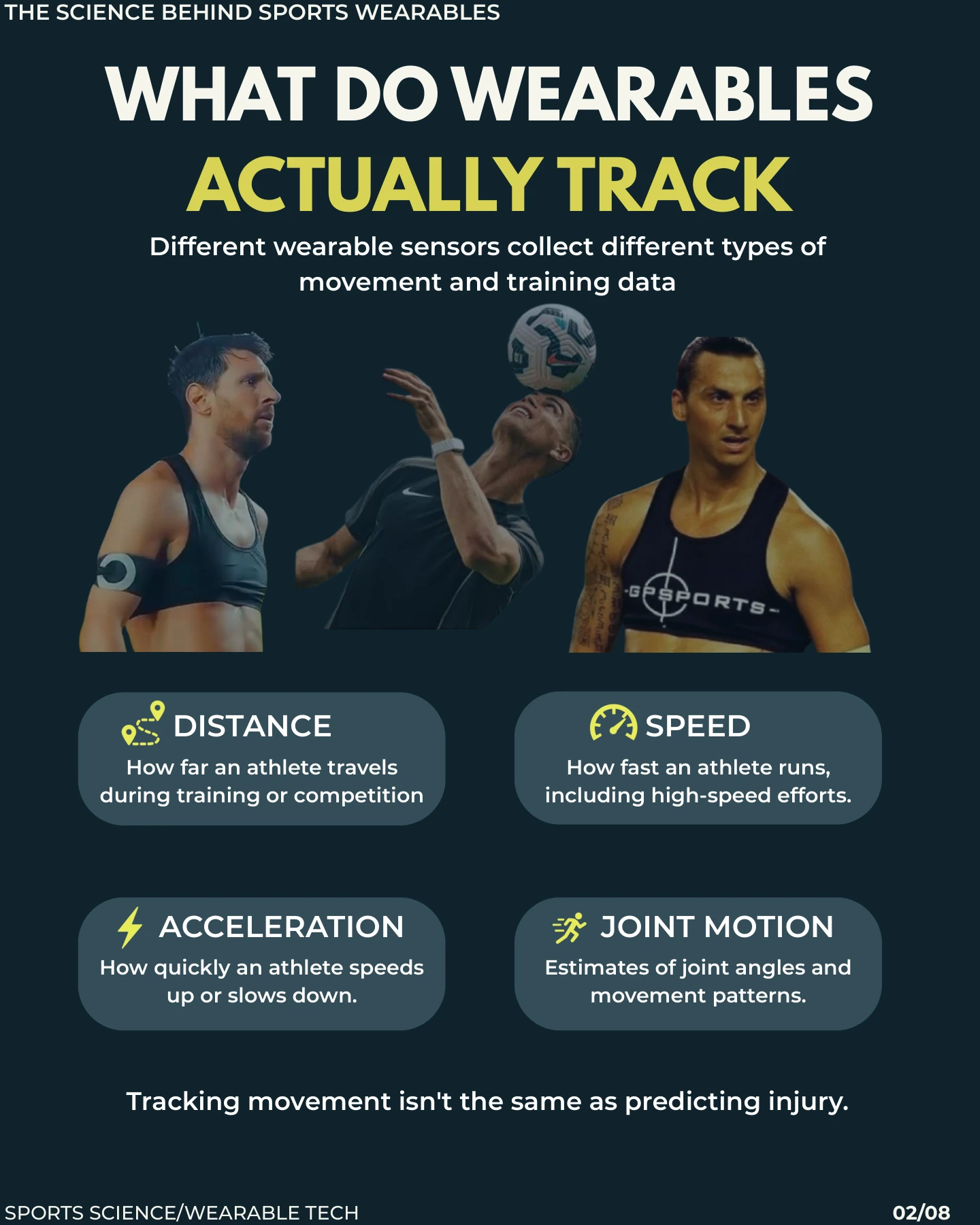
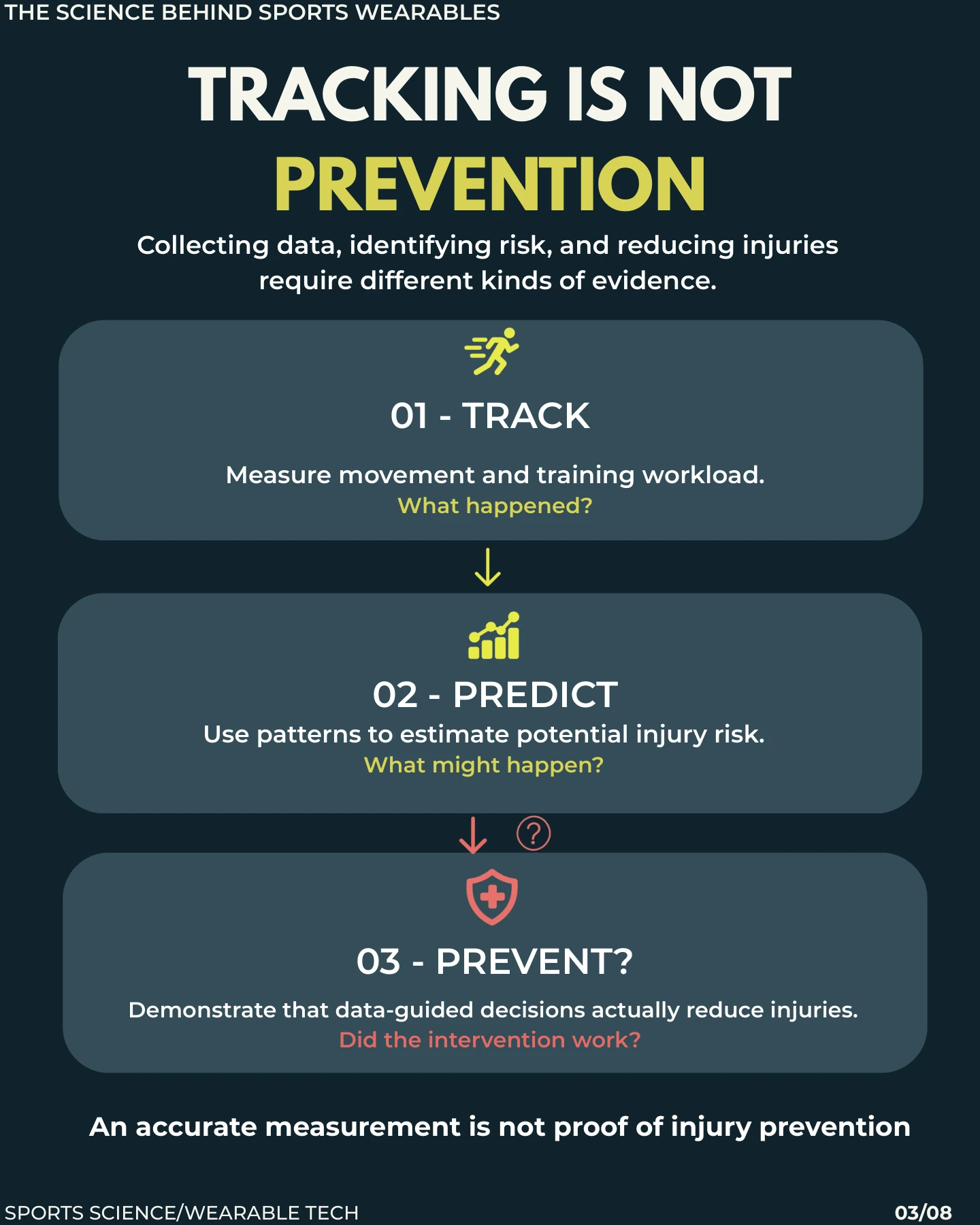
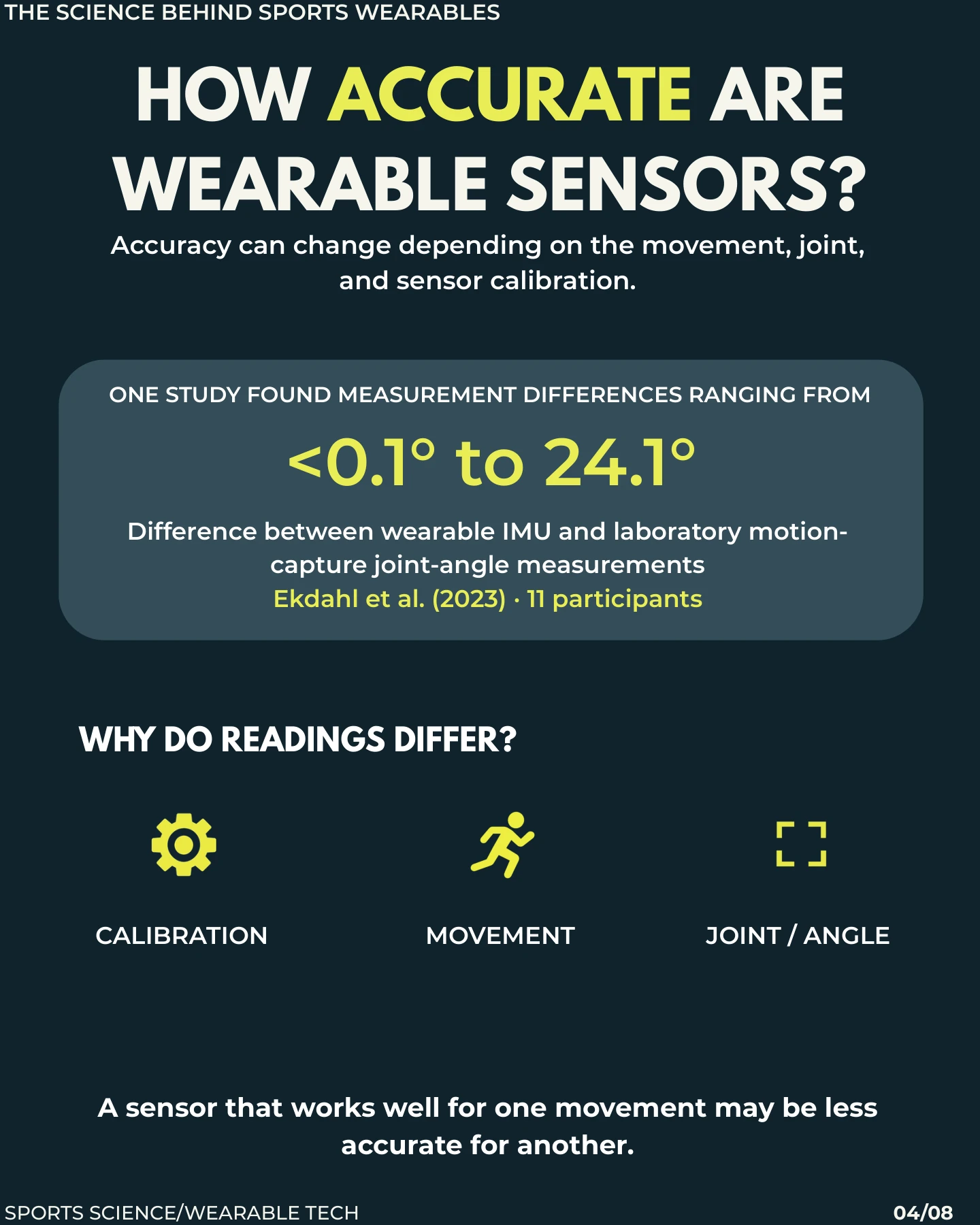
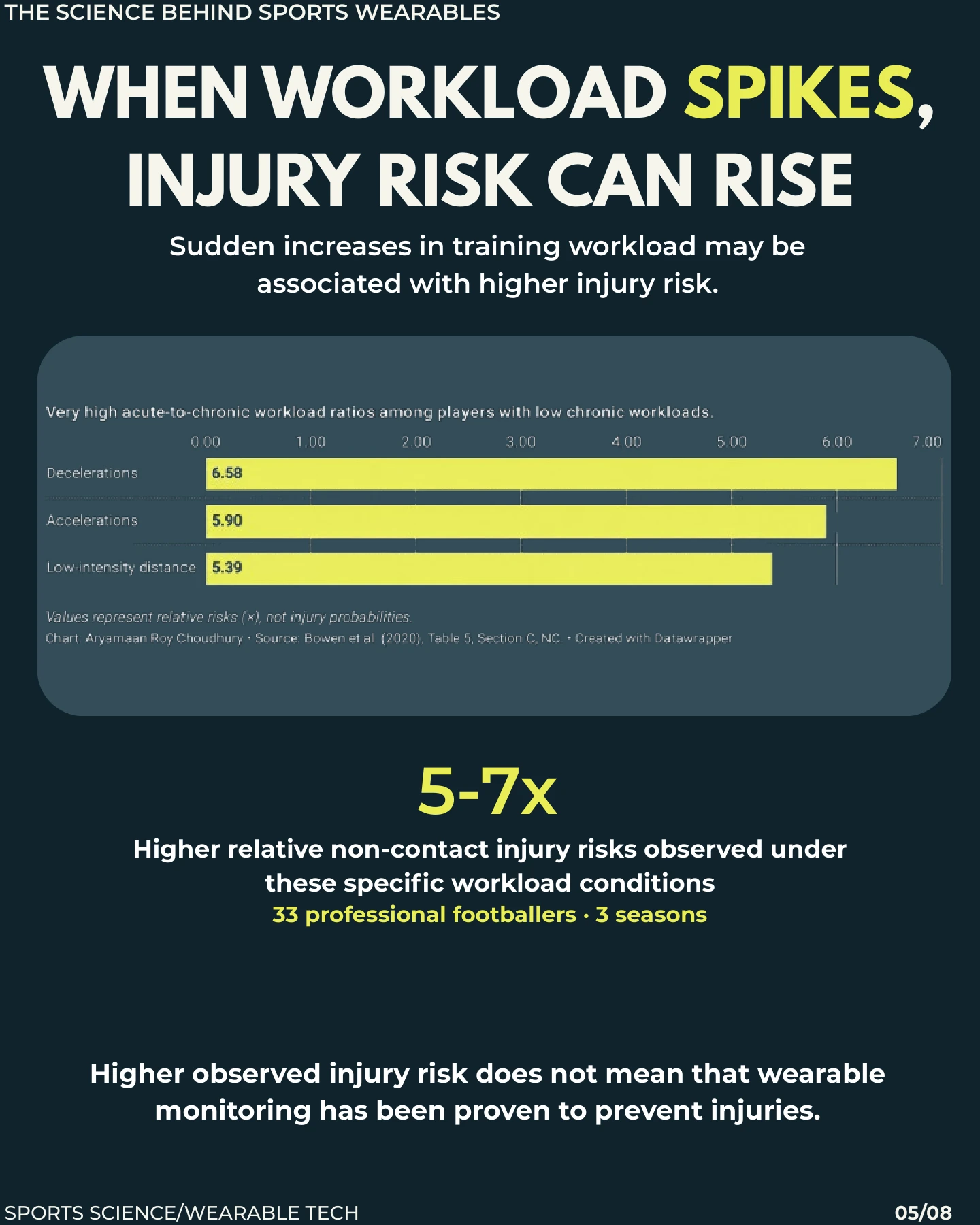
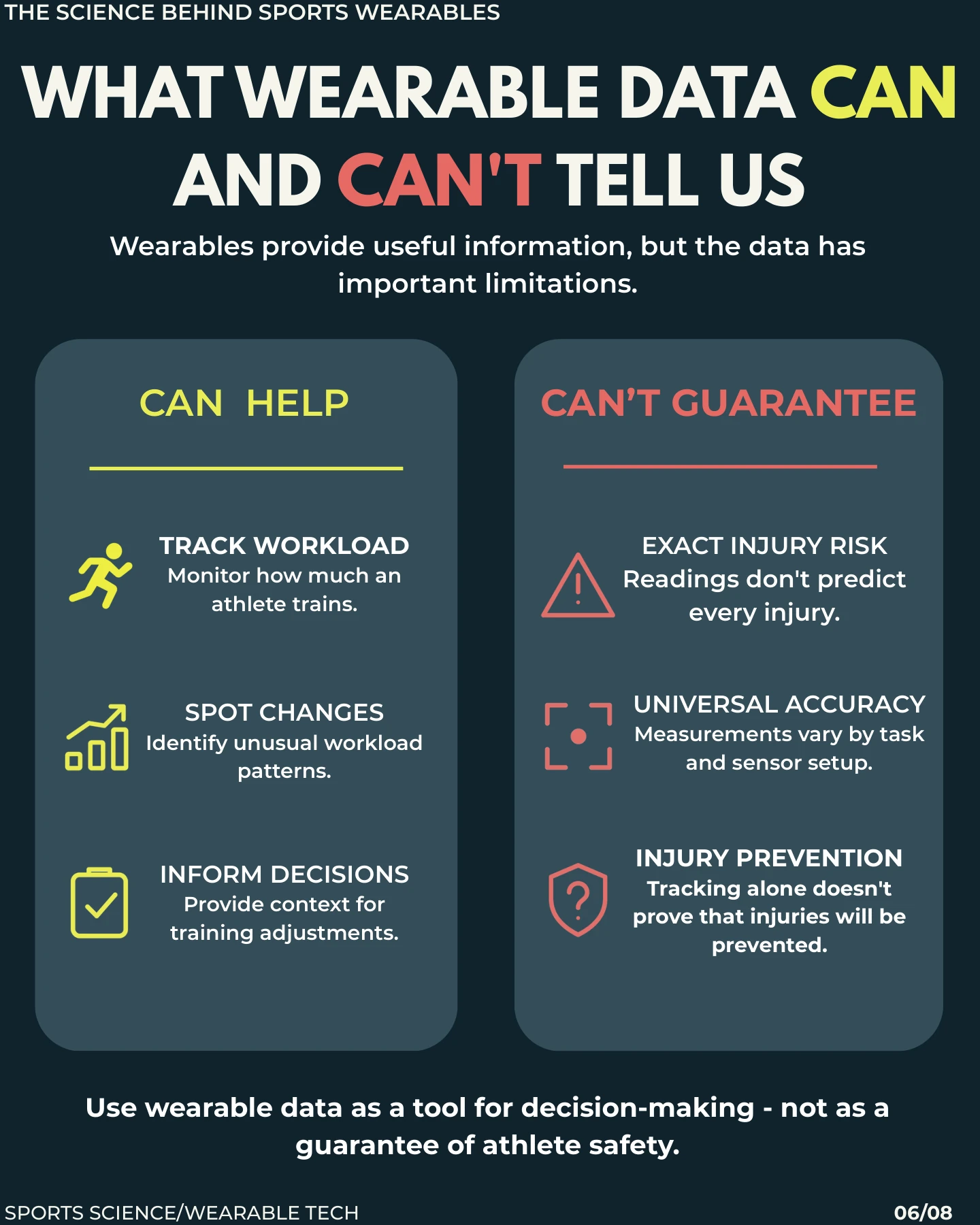
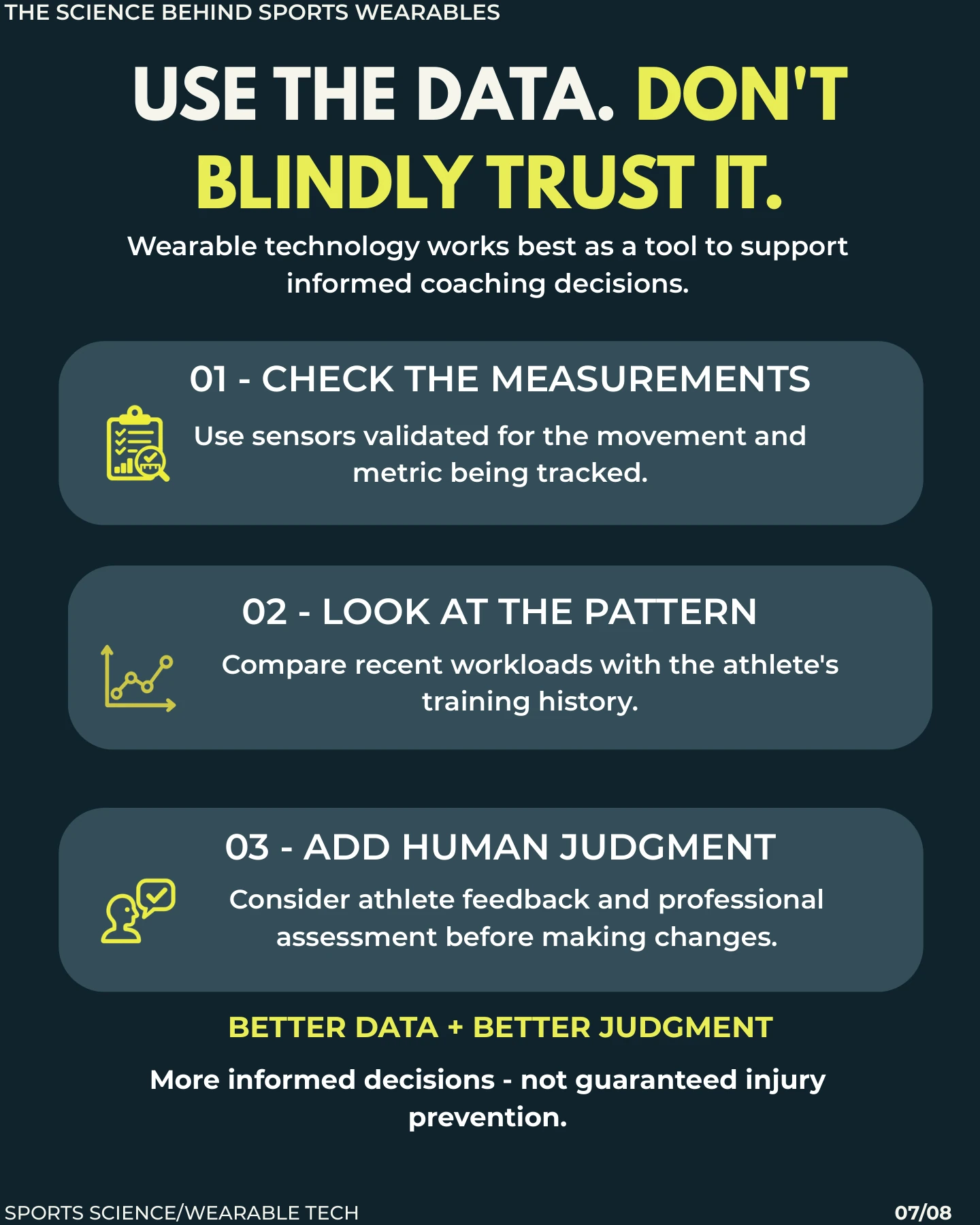
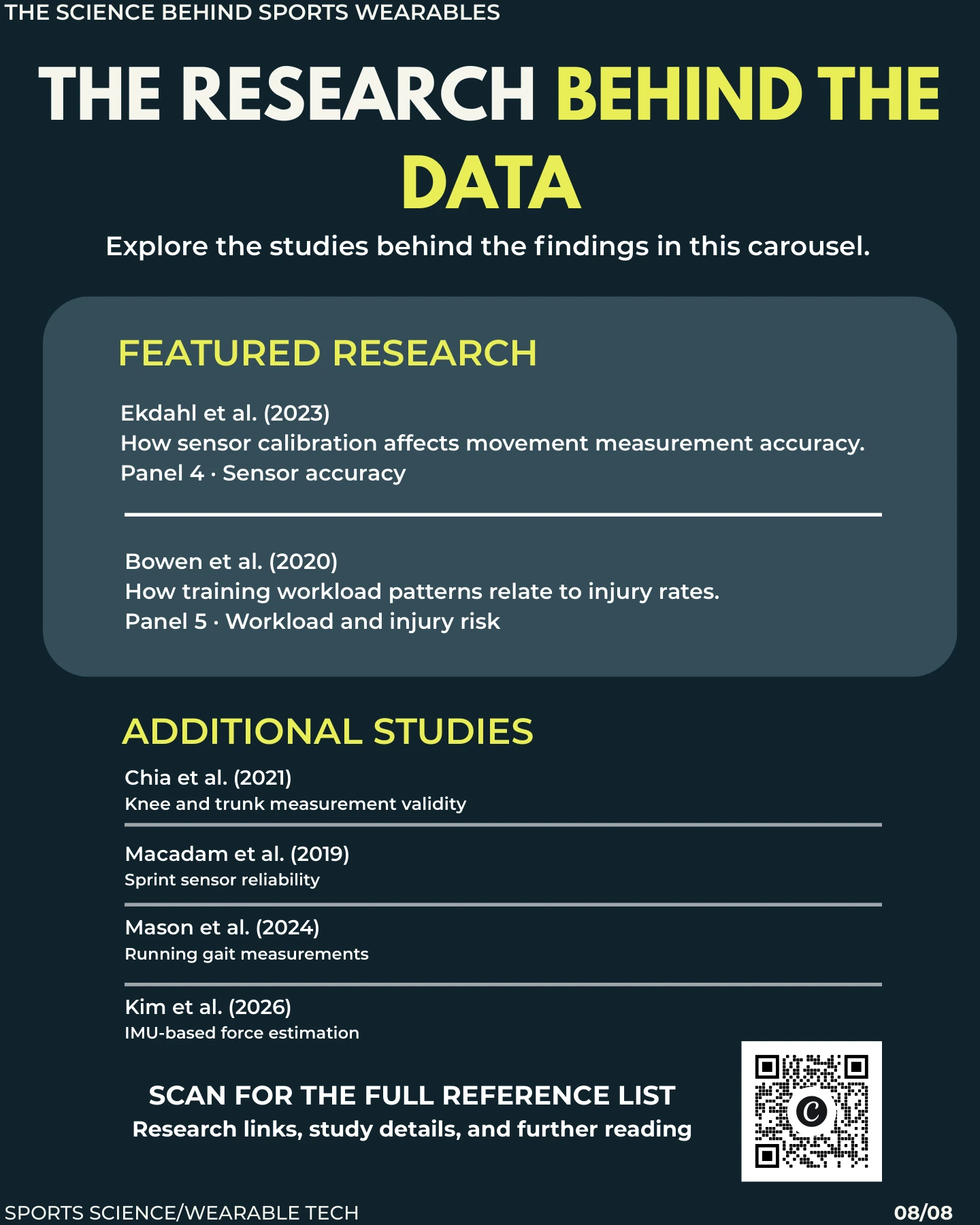
An eight-panel Instagram-style educational carousel adapting my academic research for athletes and coaches. It combines sports photography, diagrams, scientific findings, and data visualization to explain why collecting performance data does not automatically lead to injury prevention.

What my research found: Accurate measurement, useful prediction, and demonstrated injury prevention are different claims. Better sensor accuracy is necessary but not sufficient, and none of the six studies shows that adjusting training based on wearable data reduces injuries.

  • Scientific Communication
  • Data Visualization
  • Technical Writing
  • Research Synthesis
  • Datawrapper

From academic research to public communication

Based on my research paper

From Accurate Measurements to Injury Prevention – Evaluating Wearable Sensor Reliability in Sports

Written by Aryamaan Roy Choudhury · 6 peer-reviewed studies · IEEE citations · 6 pages

Read Research Paper

About me

Growing up, I wanted to play sports professionally. Then the pandemic disrupted several important years of training in Singapore, and I found myself spending more time behind a computer than on the field. Somewhere along the way, my interest shifted from just playing sports to understanding what makes athletes and teams successful.

I enjoy breaking complicated problems into smaller pieces, questioning assumptions, and figuring out why something works rather than just accepting that it does. One of the biggest things I’ve learned through building software is that getting something to work and genuinely understanding it are two different achievements. I’m increasingly interested in the second: testing ideas, recognizing limitations, and being able to explain the reasoning behind my decisions.

What I’m interested in

  • Sports analytics

    Recruitment, the draft, transfers, and performance data. I’m most interested in figuring out which stats really tell you something about a player. Most of my projects are in this area.

  • Health & human performance

    Wearables and sensors collect a lot of data about the body, and much of it is noisy. I’d like to help make that data reliable while letting people control how it’s used. It’s a big part of why I care about the hardware side.

  • Quantitative systems

    I got into markets through probability, pricing, and risk. I used Monte Carlo simulations for portfolio modeling at Weiss Asset Management, Hoops Stock Market runs on a two-layer pricing model, and Matchup DNA tests its tennis forecasts against betting-market prices.

Skills

  • Languages

    I use Python and SQL the most, mainly for Matchup DNA and Hoops Stock Market. I use TypeScript for web work like the Matchup DNA, Hoops, and StratEdge Africa sites. Java and OCaml are from classes, and I’m working on getting better at C++.

    • Python
    • SQL
    • C++
    • TypeScript / JavaScript
    • Java
    • OCaml
  • Data & quantitative

    Used for the Matchup DNA models, market backtests, and big-match research paper, the Hoops Stock Market pricing, and my internship at Weiss Asset Management.

    • pandas
    • NumPy
    • scikit-learn
    • LightGBM
    • Logistic regression
    • Elo ratings
    • Calibration & backtesting
    • Hypothesis testing & power analysis
    • Monte Carlo simulation
    • Excel modeling
  • Web & backend

    Used for Matchup DNA, Hoops Stock Market, the StratEdge Africa website, and Supplement Recommender.

    • React
    • Next.js
    • Tailwind CSS
    • HTML / CSS
    • Node.js
    • Express
    • Supabase / PostgreSQL
    • SQLite
    • MongoDB
    • Vercel
  • Developer tools

    Git and GitHub for all my projects, and GitHub Actions runs the scheduled Matchup DNA forecast jobs and tests. Supplement Recommender uses the OpenRouter API for its suggestions.

    • Git & GitHub
    • GitHub Actions
    • AI-assisted development
    • OpenAI / OpenRouter APIs
  • Hardware & lab

    From Computer Engineering classes and labs.

    • Arduino
    • Raspberry Pi
    • Circuit prototyping
    • Oscilloscope
    • LTSpice
    • SolidWorks
    • Fusion 360
    • AutoCAD
  • Research & communication

    From my working paper on choking in big tennis matches, my ENGW3302 research paper on wearable sports technology, and the eight-panel infographic I adapted from it for athletes and coaches. The infographic’s injury-risk chart was made in Datawrapper.

    • Technical writing
    • Research synthesis
    • Scientific communication
    • Data visualization
    • Information design
    • Canva
    • Datawrapper

Education

Northeastern University

B.S. Computer Engineering and Computer Science

Expected May 2028

GPA
3.81 / 4.00
Honors

Dean’s List — Fall 2025, Spring 2026

Eta Kappa Nu — inducted March 2026

Program
Global Scholars Program — Oakland & London, Sep 2024 – May 2025
Relevant coursework
Circuits and SignalsAnalysis of Random PhenomenaAlgorithms and DataLogic and Computation

Certificates

  • Machine Learning

    Crimson Data Science

  • 3D Printing, AI & ML Fundamentals

    Singapore International Science Camp

  • Game Changers: AI and the Future of Live Sports

    IBM SkillsBuild

Leadership & community

  • Sep 2024 – Dec 2024

    Student Programming Board

    Northeastern University Oakland

    Handled logistics, scheduling, and promotion for campus events, and used student feedback to plan future ones.

  • Oct 2023 – Apr 2024

    Head of Outreach

    EcoHarmony

    Led outreach for a 150+ member sustainability organization, raised engagement by 15%, and maintained a tracking system that logged 18,500+ lbs of recycled materials.

Contact

I’m looking for a Spring 2027 co-op or Summer 2027 internship in software engineering, data or sports analytics, or quant. I’m also happy to help with short projects over winter break in December 2026. Email is the best way to reach me.

roychoudhury.a@northeastern.edu